
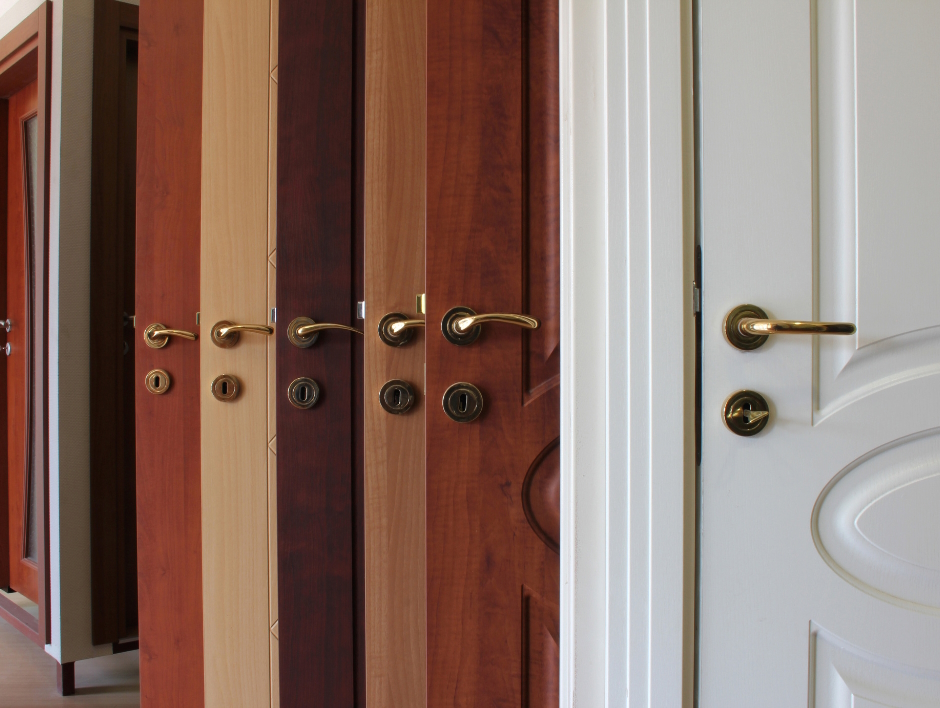
Choosing the right door for your property is about more than just appearance. Strength, security, maintenance, lifespan, and cost all play a role in finding the best solution for your home or commercial building. With so many options available, including aluminium, uPVC, timber and composite, it can be difficult to know which material is right for you.
In this guide, we compare aluminium doors with other popular door materials to help you make an informed decision, whether you’re visiting a door showroom or sourcing products from a trusted uPVC door supplier.
Aluminium Doors: Modern, Strong and Stylish
Strength & Security
Aluminium doors are renowned for their exceptional strength. Despite being lightweight, aluminium is highly durable and resistant to warping, cracking, or swelling. This makes aluminium doors, including premium options such as Profile 22 doors, an excellent choice for security-conscious homeowners. They often feature advanced locking systems and slim but strong frames that enhance both safety and aesthetics.
Design Flexibility
One of the biggest advantages of aluminium doors is design versatility. Slim sightlines allow for larger glass panels, making them ideal for modern homes, commercial spaces, and properties seeking a contemporary look. Aluminium can be powder-coated in a wide range of colours and finishes, offering long-lasting style with minimal fading.
Maintenance & Lifespan
Aluminium doors require very little maintenance – typically just occasional cleaning. They are resistant to corrosion and weather damage, giving them a lifespan of 30-40 years or more, even in coastal or harsh climates.
Typical Price Range
Aluminium doors generally sit at the higher end of the price scale, but their durability and low maintenance often make them a cost-effective long-term investment.
Best Suited For
- Modern homes & extensions
- Commercial buildings
- Properties in extreme or coastal climates
Pros: Strong, secure, low maintenance, modern appearance
Cons: Higher initial cost compared to uPVC
uPVC Doors: Affordable and Practical
Strength & Security
uPVC doors offer good security and insulation when manufactured to a high standard. A reliable uPVC door supplier can provide reinforced frames and multi-point locking systems suitable for most residential properties.
Design Flexibility
While uPVC doors are available in various colours and styles, they generally have bulkier frames than aluminium. This can limit glazing and overall design flexibility.
Maintenance & Lifespan
uPVC is low maintenance and resistant to rot, but over time, it may discolour or become brittle, particularly in strong sunlight. Lifespan typically ranges from 20-25 years.
Typical Price Range
uPVC doors are among the most affordable options, making them popular for budget-conscious homeowners.
Best Suited For
- Standard residential homes
- Rental properties
- Homeowners seeking value for money
Pros: Cost-effective, low maintenance, good insulation
Cons: Less premium appearance, shorter lifespan than aluminium
Timber Doors: Classic and Characterful
Strength & Security
Timber doors are naturally strong and offer excellent security when properly maintained. Solid wood doors provide a traditional, high-end feel.
Design Flexibility
Wood offers unmatched character and can be customised with stains, paints and decorative detailing, making it ideal for period properties.
Maintenance & Lifespan
Timber requires regular maintenance, including painting or varnishing, to protect against moisture and temperature changes. With proper care, timber doors can last decades, but neglect can significantly shorten their lifespan.
Typical Price Range
Prices vary widely depending on wood type and craftsmanship, often placing timber doors in the mid-to-high price range.
Best Suited For
- Period or heritage properties
- Traditional home designs
Pros: Natural beauty, customisable
Cons: High maintenance, sensitive to climate conditions
Composite Doors: A Balanced Alternative
Strength & Security
Composite doors combine multiple materials, offering excellent strength and security. They are often considered one of the most secure door options available.
Design Flexibility
Designed to mimic the look of timber while offering modern performance, composite doors suit a wide range of property styles.
Maintenance & Lifespan
Low maintenance and resistant to weather damage, composite doors typically last 25–30 years.
Typical Price Range
Mid-range pricing makes composite doors a popular compromise between aluminium and uPVC.
Best Suited For
- Family homes
- Properties needing strong insulation and security
Pros: Secure, durable, timber-like appearance
Cons: Less sleek than aluminium, limited glazing options
How to Choose the Right Door for Your Property
Each door material has its strengths, but aluminium doors stand out for their modern design, superior strength, low maintenance and long lifespan. Whether you’re considering Profile 22 doors for a contemporary upgrade or exploring other materials to suit your budget and style, understanding these differences will help you choose a door that enhances both the look and performance of your property.
When selecting the most suitable door, consider how the style of your property, local climate, budget and maintenance expectations align with the material you choose. Visiting a reputable door showroom allows you to compare options in person, while working with a trusted uPVC door supplier or aluminium specialist ensures quality, compliance and long-term performance. Contact us today for a free consultation, and we can answer your questions.